Why I Advocate for HIV-positive Orphans

I wholeheartedly believe that there won’t be any more HIV positive orphans to advocate for within my lifetime.

That’s right.

Until that time, I will advocate for parental care until the time comes when my advocacy efforts are no longer needed.

The solution, of course, is in preventing mother to child transmission of HIV/AIDS (PMTCT). Preventing a birthmother from transmitting the virus to her newborn is only a matter of having access to medication.

In 2006, about 530,000 children became newly infected.  In 2008, around 430,000 children became infected.  As time goes on, fewer babies are being born with HIV/AIDS due to PMTCT. At the rate of 100,000 fewer per year, we’re only a few years away!

In 2004, only 10% of pregnant women with HIV were receiving ARVs in low and middle income countries.  In 2008, that figure was up to 45%. Elizabeth Glaser Pediatric AIDS Foundation reports 53% of pregnant women worldwide are currently receiving ARVs (June 2010). [Kaiser reported 51% in July 2010.] This percentage is increasing every year and I feel it is feasible to get to nearly 100% PMTCT rates in the foreseeable future.

In high income countries, mother to child transmission has been virtually eliminated and I have every reason to believe that this will be true worldwide as access to treatment becomes more commonplace. As an example, less than 200 babies are born HIV positive in the United States every year because pregnant women in this country have access to the meds. Out of those children who do end up positive, the vast majority stay with their biological families and only a couple of children per year end up in need of foster or adoptive parents.

So why do I advocate for HIV positive orphans? I choose to advocate because I feel orphans with HIV are among the most underprivileged people in society.  Their need for healthcare is a life or death matter and their need for a family is paramount to become a productive member of society.  These children have few people speaking out for them and they truly do not have the means to speak out for themselves.  Being a child without parents must be an immensely difficult position to be in.  I can’t imagine how it might be for a helpless sick  child without a parent who loves them, cares for them, protects them and provides for their daily needs.  Statistics regarding the future prospects of children who emancipate from orphanages, the foster-care system, or who grow up as street children are profoundly bleak: prostitution, homelessness, substance abuse, incarceration and suicide affect the vast majority of those children who grow up as orphans and never find permanent, loving homes. In my opinion,  orphans with HIV  and other diagnoses which ostracize them, are the most disadvantaged people on the planet and I cannot think of a group in greater need of a voice.

Until there is universal access to prevention of mother to child transmission of HIV, I will continue to bring awareness, educate families and find homes for these precious children. There are TOO MANY – at least 200 children (that I know of) are eligible for international adoption RIGHT NOW. If you would like to join me in advocating, please be in touch. We need at least 200 families and I can’t find them alone – people need to see these precious faces and learn the facts about pediatric HIV. If you are not in a position to adopt, please consider sponsoring a child so they may stay in a permanent loving family, contributing to the adoption fund of family trying to bring an HIV+ child home, or advocate on behalf of a child so that a family can find them.


Help Save an Angel with HIV

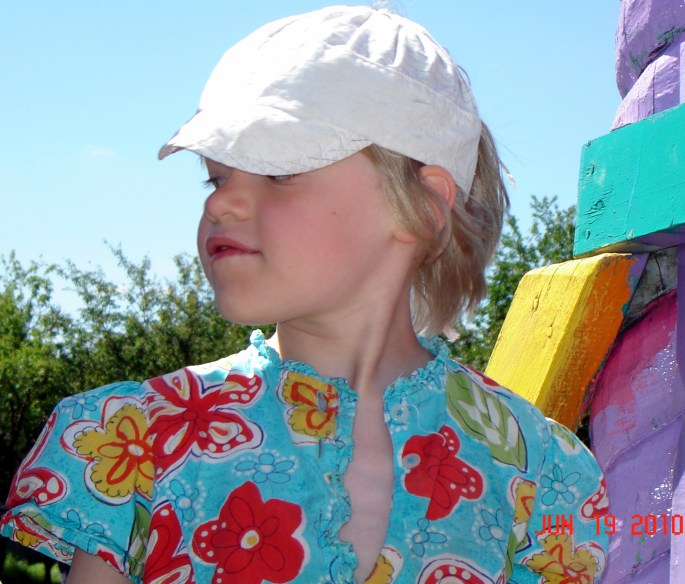
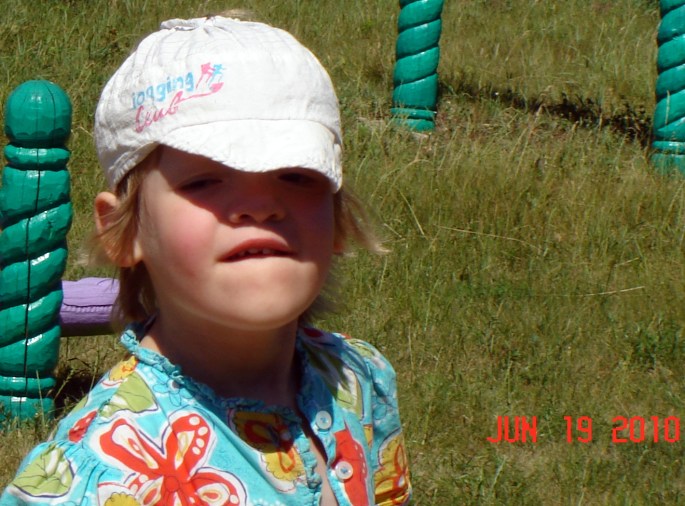
This is Olivia, one of the precious little ones I met at an AIDS Orphanage in the spring. She is darling! She is affectionate and loving and talkative and sweet as can be. And she has a family coming for her! I’m so excited that Olivia will know the love of a family and have access to excellent medical care. Her parents have been diligently raising funds and compiling the adoption paperwork and they have just reached a major milestone – submitting the final dossier to Olivia’s country. From their blog:

This sweet little 3 year old is Olivia.  She currently lives in an Eastern Europe orphanage for children who are diagnosed with HIV.  Olivia does not have a future in her native country due to her orphan status and her diagnosis.  At the age of 4 she will be sent off to a “boarding school.”  When she ages out at the age of 16, she will be kicked out and left to fend for herself on the streets. Sadly, many emancipated orphans end up sleeping in the sewers.  She will be jobless and homeless as her HIV and Orphan status will follow her forever.  She has no family to take care of her and no means to pay for the very expensive medications that will keep her alive and healthy.
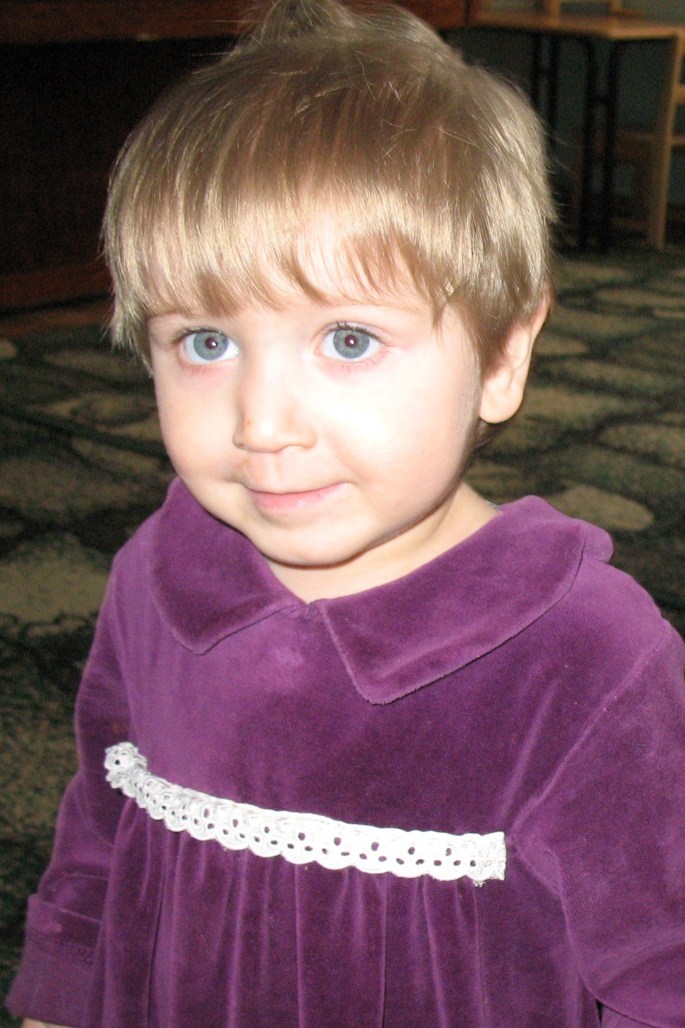
We are very blessed in our country to have wonderful medical care and medications.  HIV is not a death sentence.  It can easily be managed here in the US.  Olivia can live to old age and have grand children some day.  There is no risk to other children around her at school, sports, or at home.  She can share a cupcake with her brother and he can kiss her when she is feeling sad.  Please look at her picture, can you see her on the streets?  Or can you picture her in a loving family with critters to chase and acres of woods to explore?  She will enrich the lives of those around her and she will help us squash the stigma that HIV still carries to this day.

Our family decided to adopt after we suffered our last pregnancy loss.  We were drawn to the children on Reece’s Rainbow and in particular, the children with HIV.  We fell in love with little Olivia and committed to adopt her.  We have $7k left to raise friends, and we need to ask for help.  Feel free to post our blog link anywhere, or copy and paste our CHIP IN button and put it on your blog.  You can even make a tax deductible donation thru Reece’s Rainbow (www.reecesrainbow.org/sponsorstern.htm).

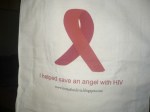
If 200 people donated $35 each, we will have reached our goal.  Please help spread the word. If you can donate at least $20, you will receive a key chain.  If you can donate $35 or more you will receive a tote bag (pictured left).  Thank you for helping to save an angel with HIV!

Revaccination May be Necessary for HIV-positive Children

The AIDS Beacon

Revaccination May Be Necessary For HIV+ Children

Revaccination against vaccine-preventable illnesses, such as measles and tetanus, may be necessary in HIV-positive children after starting antiretroviral therapy, according to researchers at the John Hopkins School of Public Health.

In addition, children on antiretroviral therapy may need repeated vaccines or higher dosages to retain their immunity against illnesses over the long-term.

“It’s clear that many HIV-infected children on treatment remain susceptible to vaccine-preventable diseases and would benefit from revaccination,” said Catherine Sutcliffe, lead author of the review, in correspondence with The Beacon.

“Most children receiving treatment responded well to revaccination, although levels of immunity still decreased over time,” she added.

Previous studies have shown that children with HIV often do not respond as effectively to vaccines as children without HIV. This can lead to weaker immunity to vaccine-preventable illnesses or loss of immunity over time.

Starting highly active antiretroviral therapy (HAART) helps restore the immune system and boost immune responses. However, it is not known whether this helps improve immunity from vaccines that were given before starting antiretroviral therapy, or whether children starting HAART instead need to be revaccinated.

To answer this question, the researchers examined previously published studies in which children were vaccinated before starting HAART and their levels of immunity were measured again afterward.

The researchers found that results were mixed, with some children showing improved immunity after starting antiretroviral therapy while others lost their vaccine protection.

For example, one study of children vaccinated with the measles-mumps-rubella (MMR) vaccine found that 40 percent of the children who failed to achieve a vaccine response before starting HAART gained immunity afterward.

However, the same study also found that 53 percent of children who had gained immunity to MMR before HAART lost their immunity after starting antiretroviral therapy.

Click the photo to continue reading…

HIV Positive Muppet

HIV positive muppet on Sesame Street

(CNN) — Big Bird and the Cookie Monster have some new friends, but they’re a long way from “Sesame Street.”

One of America’s best-loved children’s shows, which began life on a fictional New York street over 40 years ago, is about to land in Nigeria under the title of “Sesame Square” — bringing with it some distinctly West African twists.

The show stars Kami, a girl muppet who is HIV-positive, has golden hair and a zest for adventure; and Kobi, an energetic, furry, blue muppet whose troublesome escapades help others learn from his mistakes.

In a country with a population of over 150 million — where, according to the CIA World Factbook, nearly half are under the age of 14 — the show will address some of the biggest challenges faced by young people in the region: AIDS, malaria, gender inequality, religious differences…

[Click the photo to continue reading…]

Int’l Adoption Program: CHINA

HIV adoption from China

China is by no means new to international adoption; Americans adopted more children from China last year than from any other country. This is a stable, well established program. For a long time, children with HIV were not listed for international adoption (not due to any shortage of HIV+ orphans), but now that China is mostly a special needs program, there are some HIV+ children starting to be listed.

Try contacting Adoption Advocates International (very experienced with HIV adoption) and Chinese Children Adoption International.

According to Adoption.State.gov and Rainbow Kids:

Parent ages 30-55.

Child ages 10 months – 13 years.

Married couples married at least 2 years. Previously divorced couples must be married at least 5 years. No more than 2 divorces. Total value of family assets $80K. Family income equals at least $10K per family member. Both parents should have high school equivalent degree.

Single women are now being accepted for children with special needs such as HIV. They must not have more than 2 children already living in the home, with the youngest child being 6 or older. They can adopt one child at a time with one year interval between adoptions. Parent age 30-50 or for parents over 50, no more than 45 years between the age of the child and parent. Total value of asset $100K. Income equals at least $10K per family member.

See above links for health requirements and criminal history of adopting parents.

Timeline is about 8-12 months for HIV+ children. After receiving a referral, it takes about 4-8 weeks to get travel approval. Travel time in China is up to 2 weeks. Only one parent must travel.

Always consult with the agency as they may have slightly different information that the outline above.

Updated Guidelines for Treatment of HIV+ Children and Teens

The AIDS Beacon

HHS Releases Updated Guidelines for Treatment of HIV-Positive Children and Teens

The United States Department of Health and Human Services has released an updated version of its “Guidelines for the Use of Antiretroviral Agents in Pediatric HIV Infection.”

The guidelines contain updated recommendations in several areas, including diagnosis of HIV in infants, start of antiretroviral therapy, selection of antiretrovirals, and adherence to antiretroviral therapy in children and teenagers.

The guidelines now also include a rating system to indicate the strength of each recommendation, and formatting changes have been implemented to improve readability. For example, a section on drug side effects in children that includes information on risk factors, symptoms, preventative measures, and treatment options is now presented in a table format for ease of use.

The guidelines are intended for use by doctors and other health care professionals when treating HIV-positive children and teens.

Key updates to various sections of the guidelines are summarized below.

Diagnosis Of HIV In Infants

The guidelines now recommend HIV testing at birth for infants who are at high risk for contracting the virus. This includes babies born to HIV-positive mothers who did not receive prenatal care or prenatal antiretroviral therapy, or who had HIV viral loads (amount of virus in the blood) greater than 1,000 copies per milliliter near the time of delivery.

HIV infection in adults is usually diagnosed by looking for antibodies – proteins made by the immune system to help identify and fight bacteria and viruses. In infants, however, tests for HIV antibodies may lead to false-positive results, as children of this age group often still carry their mothers’ HIV antibodies.

To avoid a false diagnosis, the guidelines continue to recommend tests that detect the virus itself to determine HIV status in infants younger than 18 months. This includes HIV DNA PCR assays and HIV RNA tests, both of which can detect the HIV virus directly.

The guide also continues to recommend that babies be tested for HIV at 14 to 21 days after birth, age 1 to 2 months, and 4 to 6 months of age.

Start Of Antiretroviral Therapy

Suggestions for when to initiate antiretroviral therapy vary according to age group.

Antiretroviral therapy is now recommended for children older than 12 months who have normal CD4 (white blood cell) counts but HIV viral loads of 100,000 copies per milliliter of blood or higher, even if their symptoms are mild or nonexistent.

For children under the age of 12 months, the guidelines continue to recommend starting antiretroviral therapy regardless of CD4 count, viral load, or the presence or absence of symptoms. Several studies have shown that starting therapy early in children of this age significantly reduces the chances a child will progress to AIDS or die.

In children with normal CD4 counts whose HIV viral loads are less than 100,000 copies per milliliter, and who have mild or no symptoms, initiation of treatment can be either considered or deferred.

Selection Of Antiretroviral Drugs For Treatment Naïve Patients

As with adults, all HIV-positive children should be treated using combination therapy that includes at least three different antiretroviral drugs from two different classes.

However, the updated guidelines now indicate that non-nucleoside reverse transcriptase inhibitor (NNRTI)-based therapy is not recommended for children younger than 3 years of age who have been exposed to single dose Viramune (nevirapine).

Click the image to continue reading…

Urgent Adoption Situation – family needed

Waiting child - international adoption

This little girl is in an Eastern European country which has a quick adoption program – about 6-7 months total including homestudy. Only married couples may apply. One of the parents must be 51 or younger and the other parent’s age does not matter.

Victoria is an affectionate girl who loves hugs and kisses. Her date of birth is June 2004. She likes playing outdoors and she especially loves to swing and slide. Both of her sisters have already been adopted and she is still waiting for a Mama & Papa to take her home and love her. She speaks and can dress herself but she has significant developmental delays, HIV and is described as being hyperactive. It is possible that she may have fetal alcohol syndrome. There is urgent need for a family and significant risk that she may be transferred to a mental institution soon. She has SO much potential which can only be achieved in a loving and attentive family. She has been in an excellent orphanage up to this point and it’s crucial that she find a family before being transferred to a rather awful place. The birthmother is deceased, most likely from AIDS and she has 2 biological sisters who have been adopted.

Special needs adoption photolisting

This little girl LOVES individual attention. An adoptive family who recently visited her says that it is clear she wants and needs a Mama of her own and she will really miss her sisters. She loved to lay her head in this mom’s lap while on the bench swing and having her hair stroked. She is okay with sharing the attention, too. The mom says Victoria was fine with having 2 children in her lap but the other child tried to crowd Victoria out (because he wanted the attention all for himself) and she didn’t like that. Victoria likes sensory input. For example, she kept running her arms against the husband’s unshaven face and shivering and making a funny face then doing it again. She really likes being in the middle of whatever is going on and to be included. Unfortunately she is often excluded, even by the caregivers. It is a cycle that needs to be broken: she is delayed, she gets frustrated, they don’t let her do things the others are doing,  and she therefore gets more delayed and more frustrated. She is very, very sweet and loving. She needs a family with only a couple of kids so she can get lots of individual attention.

If you want a little girl to hug and kiss, she will gladly take all the hugs and kisses you can hand out. She is good with both men and women. She is a bit small for her age – maybe a size 4. The children are valued and loved at this orphanage. The grounds are visually stimulating and the kids get outside for a couple of hours in the morning and afternoon. They even have a pool and go swimming.

Waiting child photolisting

AAI Uganda Adoption Program

HIV Adoption from Uganda

Adoption Advocates International (AAI) has introduced a pilot international adoption program for Uganda. Salem Richards is the Uganda Program Coordinator and she has also recently adopted from Uganda and blogs at SisterHaiti. They are working with an HIV orphanage in the western part of Uganda near the Congo border. The orphanage has many HIV+ children including a 2/3 year old boy, a beautiful 5 year old girl, a very sweet 7 year old boy, a 7 year old girl and a 12 year old boy. Siblings are also waiting for a family – the sister  is 4ish and the brother is 7ish. Pictures, videos and additional info are available.

Christmas Gifts for HIV+ Orphans

Life2Orphans “Wishing On An Angel” Christmas project has many boxes filled with wonderful Christmas gifts for orphans in Ukraine. They are in need of people who can pay $30-$45 to ship each box overseas. The gifts have been generously donated and the boxes are already packed and waiting at Life2Orphans in Portland to be shipped to Ukraine. You can choose which box you would like to send. There are HIV positive orphans at several orphanages in Ukraine, so if you know which orphanage you would like to send it to, just choose that orphanage from the drop-down menu. Otherwise,  you can choose “M__ AIDS Orphanage” to be sure that HIV+ orphans will receive gifts. Here are the links:

Step 1: Boxes Available (choose one in the 0-4 year age range or for the caretakers and write down the box #).

Step 2: Fill out the form (so they know who is paying for the shipment and where to ship the specified box). Don’t mind the error message.

Step 3: Mail a check or pay via Paypal for shipping costs. I clicked on this link then clicked ‘Donate Online’ (lower left).

The organization is trying to get all of the boxes shipped by October 13th so they will make it to Ukraine in time for Christmas.