
Information about adopting HIV-positive children from Lesotho
UNICEF Report – Blame and Banishment: The underground HIV epidemic affecting children in Eastern Europe and Central Asia
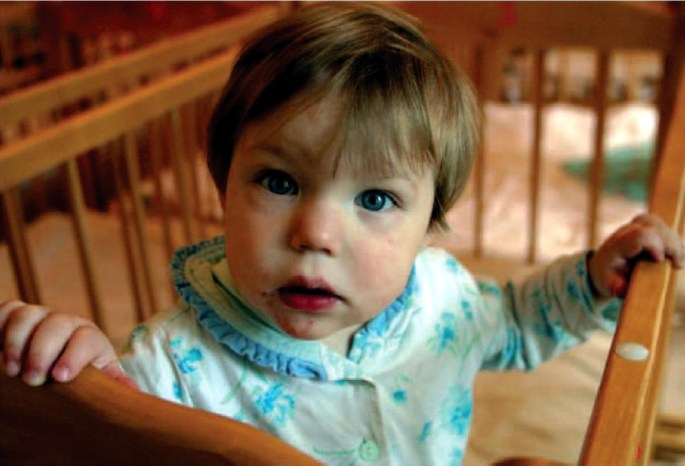
The following are some excerpts from the UNICEF Report – Blame and Banishment: The underground HIV epidemic affecting children in Eastern Europe & Central Asia. Emphasis added to highlight the areas I find most relevant to this blog topic.
“This report brings to life the experiences of children, families and young people living with HIV. It gives voice to their stories of despair, stigma and social exclusion, as well as to their courage and hope.
Access to antiretroviral treatment is still among the lowest in the world, and stigma and discrimination that violate the basic rights and dignity of people living with and affected by HIV, including children, are hampering further progress in prevention, care and support.
Eastern Europe and Central Asia are the only parts of the world where the HIV epidemic remains clearly on the rise. Increases of up to 700 per cent in HIV infection rates have been found in some parts of the Russian Federation since 2006. Women, who now account for some 40 per cent of new cases compared to just 24 per cent under a decade ago are increasingly affected by HIV, as are children. The total number of HIV-positive pregnancies has doubled during the past five years.
Children born to HIV-positive mothers suffer the consequences of these prejudices, experiencing a much higher likelihood than other children of being abandoned at a hospital, or being left to live in isolation at a specialized care institution. Across Eastern Europe, children born to HIV-positive mothers have a much higher risk than others of being abandoned at or soon after birth. Their removal from their mother, their family and community is an expression of both the stigma surrounding the HIV disease and of the multiple hardships that overwhelm many disadvantaged women.
Currently, the region has the highest rates of family separation in the world, with approximately 1.3 million children deprived of parental care and isolated from family and community, even though the vast majority still have biological parents. The relinquishment of children to institutional care is an established solution for families in distress – a practice that has historic roots and continues to the present day, despite strong evidence of its negative consequences for children’s well-being.
The infrastructure of institutional care remains as that of the Soviet era. Infants who are left in maternities are transferred to baby homes (Dom Ribyonka) where they stay until the age of three. If they are not adopted during these early years they are transferred to children’s homes (Dyetski Dom) for the next four years and then onwards to ‘internats’ for 7- to 18-year-olds. This movement through different institutional settings leaves many children poorly equipped to cope or find jobs once they leave and highly vulnerable to abuse and exploitation. Young people graduating from these institutions have much higher rates of alcoholism, drug use, criminal behavior, unemployment, imprisonment and suicide than their peers.
For children with HIV who live in institutions, the chances of being adopted are particularly slim as a result of widespread prejudice. Elena, from Ukraine, who adopted two HIV-positive girls (aged 6 and 7), shares her experience:
“From the moment I saw them, I immediately knew that I would love them like my own children. Imagine my surprise when the adoption agency tried to convince me not to take these two girls! They said to me, ‘Why would you want such a headache, you should take some other children.’”
Despite growing availability of alternative family-based solutions, residential care is not diminishing. In recent years, the proportion of children in residential care has increased.
In the Russian Federation and Ukraine, about 6 to 10 per cent of children born to HIV-positive mothers are abandoned in maternity wards, pediatric hospitals and residential institutions, with little opportunity for foster care, adoption or family reunification. While the relative proportion of children abandoned at birth by these mothers has been decreasing, the number of HIV-positive pregnancies has grown, creating a steady increase in the cumulative numbers of children abandoned to state care overall. The reasons for infant and child relinquishment by HIV-positive women are complex. An in-depth qualitative study of HIV-infected mothers, their families and health-care workers from four regions in the Russian Federation concluded that HIV was not the primary reason for infant abandonment. Rather, the key factors increasing the likelihood of abandonment were: unwanted pregnancy, poverty, lack of family support, drug and alcohol use, fear of the infant having birth defects or disabilities, and an inability to support the costs of caring. Of these, the strongest predictor was unwanted pregnancy.
Within the context of child-care reforms in many countries of the region, support to biological families to keep their children, prevention of abandonment, and the development of family-based care alternatives to institutionalization have increasingly been a focus. UNICEF has been a key partner in many such initiatives. In Ukraine, for example, almost 90 per cent of maternities have established linkages with social services to address child abandonment. A number of ‘Mother-Baby Centres’ have been opened by state social services to support new mothers in difficult circumstances. Many of the mothers are teenagers or single women who have been rejected by their families. Reports show that over 60 per cent of mothers who are in contact with the centres change their minds about abandoning their babies. Similarly, projects led by NGOs, such as the MAMA+ project of Health Rights International with the Ukrainian Foundation for Public Health, have provided support for HIV-positive and drug-using pregnant women and mothers to enable them to keep their children. A range of client-oriented services are provided, including day-care centres, family visits, referrals to health-care facilities and drug and alcohol addiction counseling. The All-Ukrainian Network of People Living with HIV/AIDS has also taken action to find family-based care options for abandoned HIV-positive children living in institutions. Finding adoptive parents has been particularly challenging as a result of many legal obstacles, widespread social misconceptions about HIV, and the high levels of stigma and ignorance associated with the disease. As expressed by one of the project coordinators from the Network: “We have looked for adoptive parents for over two years. It is extremely difficult to find such people. We believe we need to find such families and provide them with all the necessary support. The majority of HIV-positive kids have suffered through living in orphanages and need special care.”
“Yana was just eight years old when she started living on the streets. Her father, an alcoholic, died young and she was separated from her mother who was sent to jail. Originally from Moldova, one of the poorest countries in Europe, Yana wandered through several towns and eventually ended up on the streets of Odessa, Ukraine. Her ‘home’ was a makeshift shed in a park. A group of 20 street children built the hideout themselves, the youngest only six years old. They begged, stole and prostituted themselves to survive. Drugs helped them cope with their lives. Through sharing needles they also shared HIV. Yana fell sick and died at the age of 13 on the streets of Odessa, addicted to drugs and infected with HIV…”
A recent study of 15- to 19-year-old street children in St Petersburg, involving 313 participants, found that almost 40 per cent of them were HIV-positive. High levels of HIV prevalence have also been found among street children in studies in Odessa and Donetsk, Ukraine. While there are no reliable estimates of how many children are without adult supervision, living and/or working on the streets, experts agree there are probably over one million in the region. The large majority end up on the street as a result of running away from physical and psychological abuse within families, or from state-run orphanages and shelters. Once on the streets, sex and drugs become part of these children’s daily reality and other street dwellers compose their social network. Almost all street children report being sexually active and the majority have multiple partners, both through sex among peers and through selling sex.
In 2008, antiretroviral therapy (ART) coverage among adults in the region was estimated to be only 22 per cent, the second lowest in the world. The main success of health systems in the region has been the high level of coverage of services to prevent mother-to-child transmission of HIV (PMTCT) and access to pediatric AIDS treatment. An estimated 94 per cent of pregnant women have access to ARV prophylaxis. For HIV-positive children, ART coverage is estimated to be 85 per cent.
Responding effectively to the HIV epidemic in Eastern Europe and Central Asia will require a paradigm shift from blame and exclusion to support and inclusion. A rights-based approach provides the basis for that shift. As stipulated in the Convention on the Rights of the Child, all rights apply to all children without exception, and States have an obligation to protect all children from discrimination and to take positive action to promote their rights. In building and sustaining the response to HIV, governments must take the lead in developing approaches that are firmly rooted in the needs and rights of children and young people. Developing a rights-based response to meet the needs of children and young people will also require additional funding. Combined international investments in HIV in the entire region do not come close to investments in a single country such as Ethiopia that has a similar number of new HIV infections annually as the Russian Federation or Ukraine, and which also falls amongst the top twelve most affected countries in the world.”
AHF Pharmacy – People Before Profit
 If you are in Florida, California or Washington DC, you should know about AHFPharmacy.org. It is a non-profit pharmacy benefiting AIDS Healthcare Foundation, and 96 cents of every dollar made goes to the care and treatment of people living with HIV.
The pharmacy is open to everyone for all sorts of different medications, not just HIV patients. By filling your prescription through an AHF Pharmacy, you are helping people living with HIV. AHF Pharmacy specializes in HIV medications and offers automated 24-hour prescription refills, e-prescribing, and free, discreet home delivery or easy pick-up. They also offer full medication reviews and free tools to improve adherence. You can refill your prescriptions online, by phone, or at a pharmacy. Medicare, Medicaid and most private insurance is accepted.
7/8 Yr Old Boy Waiting in Africa
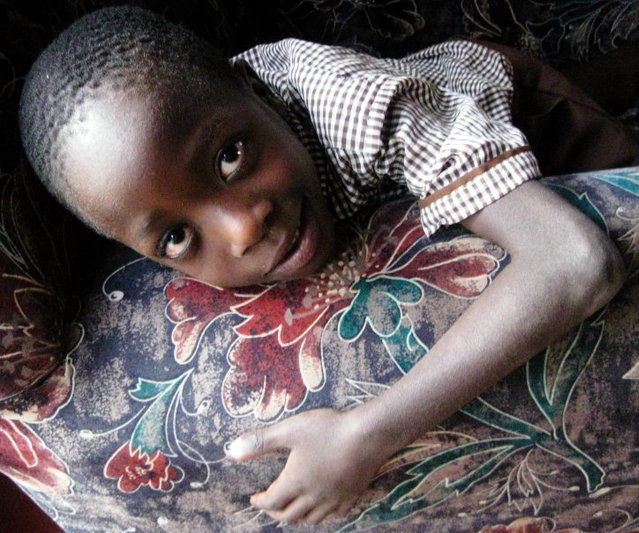 This little boy is waiting in Africa. He is 7/8 years old. Please contact me for further information about this waiting child photolisting. This is a unique older child adoption opportunity. Quick and reasonably priced program. HIV-positive.
International Adoption from TAIWAN
 Taiwan has waiting children with HIV registered for international adoption. World Association for Children & Parents (WACAP) is placing children with HIV from Taiwan.
According to Adoption.State.gov and the placing agencies:
Age requirements: One parent must be at least 20 years older than the orphaned child and the other must be 16 years older. (Generally aged 25/30 minimum to 50/55 maximum to adopt children with HIV).
Marriage requirements: Prefer couples who have been married at least 2-5 years (depending which agency you talk to). Single applicants are not currently being accepted.
Travel: At least one parent must travel to Taiwan for 4-6 business days.
Other adoption agencies which place children from Taiwan and have placed HIV+ children (from other countries) include: Children’s Home Society and Family Services (CHSFS), Bethany Christian Services, and Wide Horizons for Children and possibly Children’s House International (which was advocating for a sibling group of 3 in October 2010).
Ethiopia Sponsorship Opportunity
 Lola Children’s Home is a small, loving orphanage located in Mekele, Ethiopia that serves children and families affected by HIV. Lola is the dream of Abebe Fantahun, an Ethiopian social worker that saw a tremendous need for services for HIV+ children and their families in the Tigray region of Ethiopia.
Lola Children’s Fund is now offering sponsorships for the children and families it serves. This is where your help is needed! Please consider sponsoring a child. If you are unable to sponsor at this time, please spread this message through blogs, email and Facebook. There is so much that can be done through Lola Children’s Home and you can help make Abebe’s dream a reality.
Lola Children’s Fund offers three different sponsorships. The family sponsorship ($25/month) provides families affected by HIV with food, medication, education and other necessary services. These monies go directly to serve the families. Family sponsorships are currently limited but the need will grow as more families reach out to Lola.
The other sponsorships available through Lola are the Daycare ($30/month) and Resident ($35/months) programs. If you sponsor a child at Lola you will receive timely updates highlighting exactly how your donation is being utilized. These updates will include videos, photographs, or letters from your sponsor child along with a report from the orphanage. This small sponsorship program allows for the outstanding opportunity to be connected to your child. Each sponsor has the chance to correspond with their sponsor child on an annual basis.
Lola also offers the opportunity to provide special gifts to your sponsor child or the orphanage as a whole. This might include a birthday party, a Christmas celebration, an outing, or books for the children to enjoy. Your donation will be well documented so you too can enjoy the experience.
Because the sponsorship is entirely electronic, overhead costs are very minimal. This allows a very high percentage of your donation to go directly to the children. Transparency is important to everyone involved.
If you are interested in sponsorship or have any questions, please contact Marissa Baker at sponsorship@lolachildrensfund.org. Please help spread the word.
1 Year Old Girl Photolisting

Unique baby girl adoption opportunity. She was born in 2009. This waiting child photolisting is on the website Adopt A Waiting Child. Please contact them directly for eligibility and requirements. She sure is cute!
International Adoption from POLAND
 In a continuing series of posts about international adoption country programs, the latest country known to have waiting children with HIV is POLAND. Contact Nina.
According to Adoption.State.gov, Rainbow Kids and Children’s House International (CHI):
*The requirements below are flexible for special needs according to CHI
Age requirements: Adopting parents must be at least 25 years old (according to CHI). Parents are generally within 40 years of the age of the child (fathers up to 45 years older according to Rainbow Kids).
Marriage requirements: Married couples and single individuals may apply. (5 years preferred with no previous divorces according to CHI).
Timeline: 4-12 months
Travel: Two trips are required (total of 4-5 weeks according to CHI). Only one parent must travel for 2nd trip.
*Inquire about a sibling group of 3 who were waiting as of October 2010*
6 Yr Old Girl in Thailand & Twins in Ethiopia
There is a beautiful 6 year old girl waiting for international adoption in Thailand. She is being advocated for by World Association for Children & Parents (WACAP). Older parents okay. Prefer families with 3 or fewer children in the home. She is a quiet, but friendly and sweet girl. There is grant for qualifying families. A video is available.
WACAP is also advocating for twins in Ethiopia. The brother is negative and sister is positive – they are 9 years old. There is a $9,500 grant for a family making less than $125,000 after deductions. Both of the children are currently healthy and they are sweet looking children. ID numbers: W.KW.0401.31165.07 and W.HW.0401.31164.07 on the waiting child photolisting.
Adopted Brothers are Pediatric HIV/AIDS Ambassadors
This article is from Elizabeth Glaser Pediatric AIDS Foundation. Lee and Lucas are ambassadors for the foundation.

My name is Lucas, and I have a brother named Lee. We’re both 11 years old and are living with HIV. We didn’t know we were HIV-positive until one day last summer, when my mom told us why we had to take so much medicine and why we went to the doctor so often.
When I heard of HIV for the first time, I had no idea what it was. My mom showed us books with pictures of the virus and taught us about how it attacks our immune systems. Knowing I was HIV-positive seemed scary at first, but it soon began to make sense. My mom told Lee and me that we got HIV from our biological mothers, who passed it on to us in the womb. It is hard to live with HIV, but I know it will never go away. Now, the only choice is to take all my meds and keep the virus at bay. Some of our meds taste absolutely awful. As bad as it seems to live with HIV, I realize how lucky we are to live in a dedicated family and place where we get good care.
Hopefully someday soon, there will be a cure for HIV. Until then, the most important thing we can do is eliminate pediatric AIDS by preventing the transmission of HIV from moms to their children. We can eliminate it if we raise money, educate people who don’t understand, and help the moms and kids that need it.
I dream of a world free of HIV so no other kids have to become a victim of this virus.
 You can order holiday cards designed by Lee and Lucas to benefit the Elizabeth Glaser Pediatric AIDS Foundation.
 Positively Orphaned